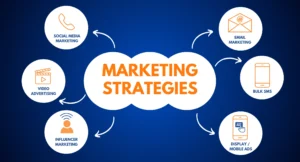

The construction and remodeling sector in 2026 presents a unique paradox: demand for skilled trade work remains high, yet many excellent contractors struggle to consistently fill their project pipelines with high-value jobs. This challenge stems from a reliance on outdated referral and word-of-mouth systems that lack the predictability needed for scalable growth. The core problem is visibility, and the solution lies in embracing a strategic approach to digital presence.
In the competitive 2026 market, a skilled contractor needs a strategic plan, not just luck. Success is tied directly to digital visibility. Effective marketing contractor services means integrating advanced local SEO, conversion-focused web design, and smart automation to generate predictable, high-profit project leads. We will explore six pillars that form the foundation of a modern and scalable marketing plan for every serious contractor.
Building the Foundation: The Contractor’s Digital Asset (Website & Technical SEO)
The first step in any modern business strategy is defining your digital asset—your website. This is the single most important tool in your arsenal, serving as the central hub for all your lead generation efforts. Successfully executing a sophisticated marketing contractor strategy begins here.
Why Your Website Is Your Most Important Salesperson
Your website is more than just an online business card; it functions as your 24/7 showroom, project manager, and lead qualifier. Prospective clients, especially those with high budgets, interpret the quality of your website as a reflection of the quality of your craftsmanship and project management skills. A sluggish, outdated site implies a business that is behind the times and disorganized. The digital asset must reflect the premium service you deliver. This shift from a simple brochure site to a dynamic, lead-generating platform is crucial for modern marketing contractor efforts. Investing in a professional, well-structured site is the most immediate way to validate your expertise.
Essential Technical SEO Checklist for Contractors
Technical SEO is the behind-the-scenes work that ensures Google can efficiently read, crawl, and understand your website, thereby impacting your search ranking. Neglecting technical foundations undermines all other marketing contractor efforts.
- Mobile-First Indexing: Google uses the mobile version of your site for indexing and ranking. Ensuring the site is fully responsive, loads quickly, and offers a flawless user experience on a smartphone is non-negotiable for local visibility.
- Site Speed: Speed directly impacts user behavior (conversion rates) and Google rankings. Tools like Google PageSpeed Insights can identify bottlenecks. Optimization includes compressing all high-resolution portfolio images, leveraging browser caching, and minimizing unnecessary code. The technical performance of your site is critical for modern marketing contractor success and user trust.
- Secure Connection (HTTPS): An SSL certificate is mandatory. A secure site builds immediate trust with users and is a prerequisite for high SEO ranking.
The Importance of Structured Data (Schema Markup)
Schema markup is code placed on your website that helps search engines better understand your content. For a service provider, this is essential for gaining favorable search result features. Detail how local business and service schema directly communicates with Google, helping the local marketing contractor rank for features like star ratings, service hours, and even appear in rich snippets. Implementing Review Schema, in particular, enhances credibility right on the search results page.
Mastering Local Search: Domination and Credibility
The heart of successful contractor lead generation is local visibility. A homeowner searching for a contractor is typically ready to hire in their immediate geographical area. The second pillar focuses on dominating the “near me” search results to position you as the definitive local expert.
The Core of Local Search: Google Business Profile (GBP)
Your Google Business Profile (GBP) is the single most powerful tool for any contractor operating in a specific territory. It controls your appearance in Google Maps, the local 3-pack, and provides users with critical information instantly. Comprehensive optimization is non-negotiable for an effective marketing contractor strategy.
Optimization Steps:
- NAP Consistency: Your Name, Address, and Phone number must be identical across your website, GBP, and every directory (Yelp, Houzz, Facebook). Inconsistency confuses Google and diminishes your authority.
- Targeted Categories: Use specific service categories (e.g., “Deck Builder,” “Basement Finisher,” “Kitchen Remodeler”) instead of generic terms like “General Contractor” to match high-intent user queries.
- High-Quality Visuals: Regularly upload professional photos of your best finished projects, work-in-progress shots, and team photos. Google rewards active profiles, making visual updates essential for any focused marketing contractor.
- GBP Posts: Use the Posts feature to announce seasonal services, showcase recent project completions, or advertise limited-time offers. This regular activity signals high engagement and relevance to Google’s local algorithm.
The Power of Social Proof: Reviews and Testimonials
In a high-trust, high-investment industry like construction, online reviews are the new word-of-mouth referral. Reviews are often the deciding factor for a client comparing two equally qualified firms. A robust review strategy is essential for every serious marketing contractor effort.
- Strategies for Gaining 5-Star Reviews: The best time to ask is immediately after project completion when client satisfaction is highest. Simplify the process by providing a direct link or a scannable QR code to your Google review page.
- Professional Reputation Management: Every successful marketing contractor must manage feedback constructively. Respond publicly to all reviews, both positive (to show appreciation) and negative (to demonstrate accountability and offer a private resolution). This neutralizes negative impact and builds public trust. Reviews are now a core pillar of your marketing contractor reputation.
Local Citations and Directories
Local citations are mentions of your business on other websites, such as industry-specific directories and local business listings. Consistency across all these platforms is critical. Ensuring the citations accurately reflect the current business data solidifies your local digital footprint, aiding the local marketing contractor’s visibility.
Content Strategy for Authority and Leads (E-E-A-T)
Authority is what converts cold leads into warm prospects. Content marketing is the long-term, low-cost channel that establishes your firm as the leading expert in its field. The ultimate goal of content is not to sell, but to educate, positioning the marketing contractor as the definitive expert.
Moving Beyond Basic Portfolio Pictures
Google’s E-E-A-T (Experience, Expertise, Authority, and Trust) guidelines are vital for service providers. Your content must demonstrate deep knowledge and real-world experience. The expertise of the marketing contractor should be evident in every piece of communication.
Content that Answers Customer Pain Points
Your blog and resource library should revolve around answering the specific, high-value questions that clients are actively searching for. This is where you differentiate yourself.
- Blog Topics for High-Value Leads: Focus on problem/solution content. Examples include detailed cost analyses, guides on avoiding expensive mistakes, and step-by-step breakdowns of the local permitting process. Creating “Pillar Content” (long-form guides) for major services captures broad search traffic and solidifies your firm as an educational resource for the prospective client seeking a reliable marketing contractor.
Leveraging Case Studies as Sales Assets
A simple gallery shows the finished product; a powerful case study sells your problem-solving ability. Structure your case studies to detail the initial challenge, the unique solution provided by the marketing contractor, and the final quantifiable result (e.g., increased home value, energy efficiency gained). The use of project timelines and budget transparency builds immense trust.
Video Content: The Ultimate Trust Builder
Video is mandatory for modern marketing contractor visibility because it rapidly accelerates the trust-building process. It puts a face to the business and showcases your craftsmanship in motion.
- Short-Form Content Strategy (Reels/TikTok): Use platforms like Instagram Reels and TikTok to showcase fast, viral-friendly content such as time-lapse transformations, quick safety tips, or “behind-the-scenes” employee features. These are excellent for brand visibility and quick engagement.
- Long-Form Content (YouTube): Utilize YouTube for detailed, educational content, such as full project walkthroughs or detailed material reviews. Video is the ultimate trust builder for the modern marketing contractor.
Precision Lead Generation (PPC & Social Targeting)
While SEO builds long-term organic authority, Pay-Per-Click (PPC) advertising provides immediate, precision-targeted traffic. PPC must focus on capturing users with high commercial intent and retargeting those who have shown interest but haven’t committed.
High-Intent Google Ads for Immediate Projects
PPC campaigns are a quick lead channel for any marketing contractor who needs predictable volume.
- Keyword Focus: Budget allocation should heavily favor low-funnel, high-intent search terms that signal immediate need (e.g., “hire basement contractor,” “emergency roof repair”). Avoid general keywords like “remodeling ideas,” as these waste budget on research-phase users. Targeting high-intent keywords protects the marketing contractor budget.
- Geographic and Radius Targeting: Strictly limit your ads to the specific service areas where you operate and where you know you can command the highest prices. This is critical for maximizing budget efficiency.
- Negative Keywords: Effective use of negative keywords like “DIY,” “free,” or “cheap” prevents your ads from showing up for users who are looking for information or discounts, not a serious contractor.

Facebook and Instagram: Visual Lead Capture
Social media is less effective for immediate hiring intent than Google Ads, but it is excellent for visual retargeting.
- Retargeting Campaigns: Use the Facebook Pixel to identify users who visited your website’s service pages or portfolio but didn’t convert. Show compelling, high-quality ads (a stunning before-and-after photo, for instance) only to this segment. Retargeting maximizes the ROI for the marketing contractor by bringing back highly qualified, warm leads.
- Creative Ad Copy: Offer a low-friction incentive—e.g., “Still planning your kitchen? Claim your free 1-hour design consultation (Limited Spots!)”
Email Nurturing: The Long-Term Sales Cycle
The construction sales cycle is typically long. Email marketing keeps the brand warm during this long sales cycle.
- Nurture Sequences: Immediately enroll new leads from your website into a “Renovation Planning” email sequence. The marketing contractor should send helpful, educational content (not sales pitches) to keep your brand top-of-mind until the homeowner is ready to commit.
- Segmentation: Segment your email lists by project type (kitchen, bath, deck) to ensure you are sending personalized, relevant offers when they are finally ready to commit. Segmentation ensures your marketing contractor messages are personalized and relevant.
Scaling with Automation and Technology
For contractors looking to move beyond the plateau of manual processes, scaling requires technology. The ability to integrate AI and automated systems provides a crucial competitive edge. This is the new frontier of marketing contractor efficiency.
Leveraging AI for Customer Service and Data Analysis
AI should be used to automate the front end of your sales process and provide better insights.
- 24/7 Lead Qualification Chatbots: Implement chatbots on your website trained to pre-qualify leads based on three factors: Budget, Service Needed, and Location. These chatbots are essential tools in modern marketing contractor efforts to filter leads efficiently. This filters out low-intent leads and ensures your human sales team focuses only on highly qualified prospects.
- AI Content Audits: Use AI tools for content ideation and auditing, focusing on identifying topic gaps (questions your clients ask that your competitors aren’t answering). AI tools streamline your content efforts, ensuring high quality marketing contractor output.
The Essential Tech Stack for Remodelers (CRM & Analytics)
A CRM system (Customer Relationship Management) is non-negotiable for scaling a remodeling business. The right tech stack is key to scalable and efficient marketing contractor operations.
- Lead Tracking: A robust CRM allows you to track every lead from the initial search click (Google, Facebook, referral) to the final signed contract. This provides the data needed for accurate ROI reporting.
- Proving ROI: Integration with Google Analytics and Search Console is necessary to prove the ROI of every single marketing dollar spent, ensuring you are investing in channels that generate the highest-value projects. This moves marketing from an expense to an investment.
Hiring the Right Digital Partner (The Agency Pitch)
The complexity of local SEO, digital video production, and high-intent PPC for the remodeling industry means most contractors can’t manage it effectively in-house. A general marketing agency lacks the industry knowledge to create hyper-specific, high-authority content. You need a specialist.
- Niche Expertise: We understand construction terminology, profit margins, and the specific search intent of high-value homeowners.
- Full-Stack Digital Strategy: We handle the technical web structure, the content creation, the link building, and the ad targeting—allowing you to focus entirely on building excellent projects. Partnering with a specialist is the most efficient way to execute a full marketing contractor strategy. Technology improves the reputation of the modern marketing contractor.
Financial Metrics: Proving the Value of Marketing Investment
Marketing is not magic; it is mathematics. For high-value construction and remodeling projects, success must be rigorously measured and demonstrated through clear financial metrics. This final pillar establishes the critical feedback loop that guarantees your marketing contractor investment is driving tangible business growth.
The Measurement Framework: Tracking the Right KPIs
Contractors often focus solely on the number of website visits, but that is a vanity metric. True success is measured by conversion and profitability. Tracking these financial metrics is paramount to validating any marketing contractor effort. You need to track these key performance indicators (KPIs):
- Qualified Lead Rate: The percentage of raw website leads that meet your minimum criteria (e.g., location, budget, project type). This filters out “tire kickers.”
- Lead-to-Contract Conversion Rate: The percentage of qualified leads that you successfully convert into signed contracts. This measures the effectiveness of your sales process combined with the quality of leads delivered by marketing.
- Customer Acquisition Cost (CAC): The total marketing spend divided by the number of new signed contracts. This is essential for budget planning and scaling profitable campaigns.
- Average Contract Value (ACV): Tracking ACV by lead source allows you to prioritize marketing efforts that bring in bigger, more profitable jobs.

Calculating Marketing ROI (Return on Investment)
Proving a positive return on investment transforms marketing from a cost center into a growth driver. The digital channels used in Pillars 1-5 (SEO, PPC, Social) provide the data needed for accurate ROI calculation. The data provided by the digital channels is what enables accurate marketing contractor ROI calculation. The ultimate goal of every marketing contractor campaign is transparent, positive ROI.$$\text{ROI} = \frac{(\text{Revenue Generated} – \text{Marketing Investment})}{\text{Marketing Investment}}$$
For instance, if a PPC campaign generates $50,000 in net profit (Revenue Generated) from a $5,000 investment (Marketing Investment), the resulting ROI is 900%. By tracking this consistently, you gain the confidence to scale the campaigns that work and eliminate those that don’t.
The Quarterly Audit and Iteration Cycle
Digital marketing is a continuous process of refinement, not a one-time fix. We recommend a quarterly audit cycle:
- Analyze: Review all KPIs (Qualified Leads, CAC, and ROI) from the previous 90 days of marketing contractor activity.
- Optimize: Shift budget and resources based on the data. For example, if Local SEO delivered the lowest CAC, we double down on content creation and link building. If Google Ads provided the highest ACV, we refine the ad copy and keyword list to capture more high-value searches. This continuous audit cycle ensures your marketing contractor budget is always focused on high-performing channels.
- Report: Provide clear, jargon-free reports that connect our digital work directly to your bottom line, proving the success of your marketing contractor efforts. Transparency builds the long-term trust essential for a successful agency-client partnership.
Conclusion: The Modern Contractor’s Strategic Edge
The future of the construction industry isn’t just about lumber and labor; it’s about clicks and conversions. Successfully mastering marketing contractor services requires unifying a strategic approach across local SEO, user-focused web design, authority-building content, and smart advertising spend. You are experts at building beautiful homes. We are experts at building the pipeline that feeds your business. The decision to invest in professional marketing contractor strategies will define your firm’s growth trajectory for the next decade.
Ready to stop chasing leads and start selecting clients?
Contact us today for a free 2026 Marketing Contractor Audit and discover the specific digital blueprint needed to win the highest-value construction contracts in your service area.